


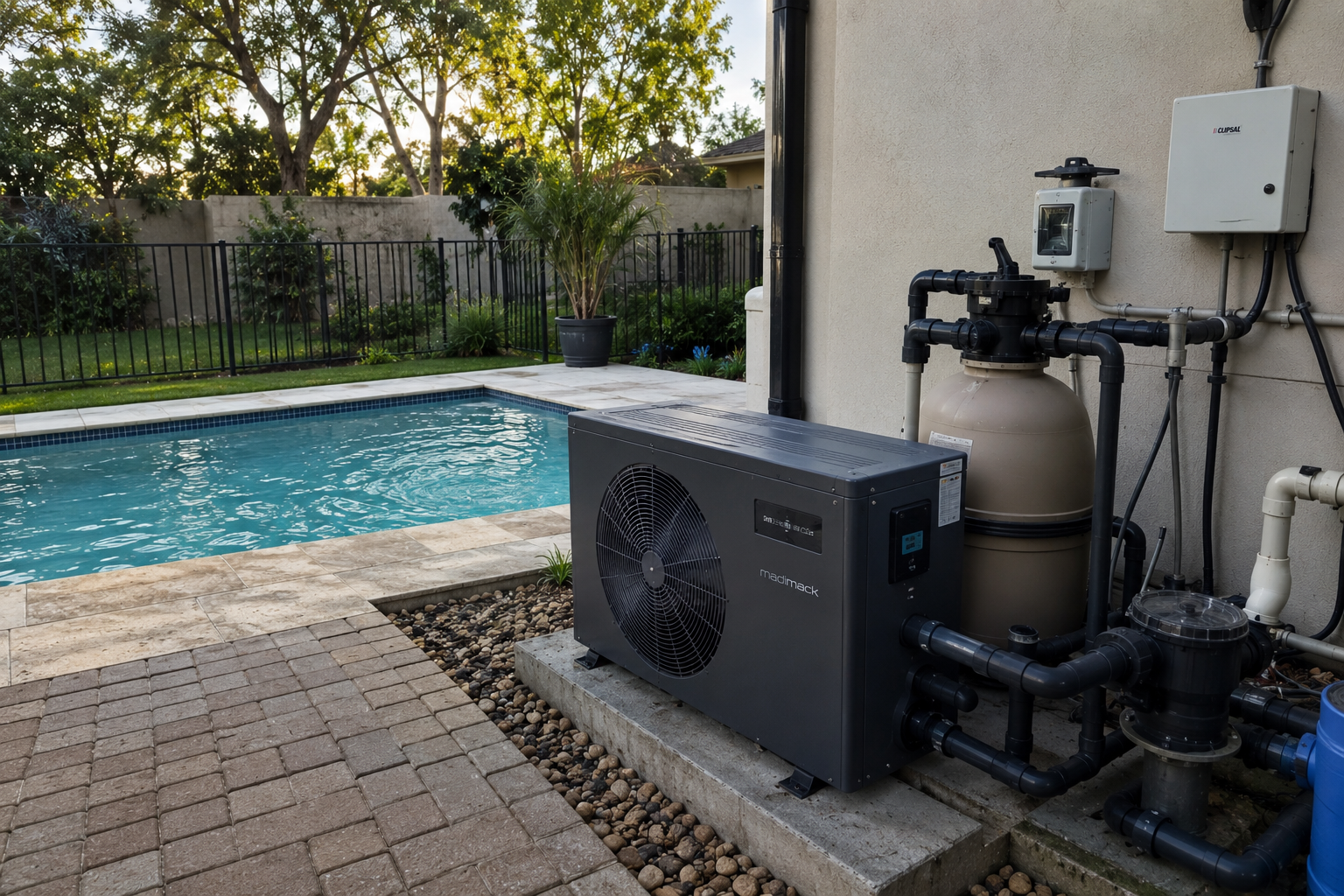
Many swimming pool owners in Zimbabwe eventually face the same problem. The pool looks beautiful during summer, but once temperatures begin dropping, the water becomes uncomfortable to use.
For several months of the year, the pool often sits unused even though homeowners are still paying to maintain it.
This is one reason pool heating systems are becoming increasingly popular across Zimbabwe.
More homeowners are looking for ways to extend the swimming season and make better use of the investment they already made in their pools.
Hotels, lodges, guesthouses, and entertainment properties are also installing heating systems because guests increasingly expect comfortable swimming conditions throughout more of the year.
At the same time, many people hesitate because they assume pool heaters are extremely expensive to install and even more expensive to run.
In reality, the costs vary depending on the type of heating system, the size of the pool, the quality of the equipment, and how efficiently the system is designed.
Some heating systems can increase electricity bills significantly if poorly planned, while others remain surprisingly efficient over the long term.
Understanding the real installation costs, operating expenses, and long-term value helps homeowners decide whether pool heating is actually worth the investment for their property.
Thinking About Heating Your Swimming Pool?
Fill in the form below to get expert advice on pool heating systems, installation costs, and energy-efficient solutions in Zimbabwe.
How Much Does a Pool Heater Cost in Zimbabwe?
Pool heater prices in Zimbabwe vary depending on the type of system being installed, the size of the pool, and the level of efficiency required.
For many residential properties, a quality pool heat pump system typically costs somewhere between USD $2,500 and $8,000 including installation.
Smaller pools with moderate heating requirements may remain toward the lower end of that range, while larger entertainment pools or commercial installations often require more powerful systems that increase costs significantly.
Some premium heating systems designed for larger pools may exceed USD $10,000 once automation systems, advanced controls, and upgraded circulation equipment are included.
Solar pool heating systems can also vary widely in pricing depending on the collector size, plumbing layout, roof design, and overall system complexity.
While solar heating may reduce long-term electricity usage, installation costs still need to be considered carefully during the planning stage.
The final cost of pool heating usually depends on several combined factors rather than one single item. Pool size plays a major role because larger pools naturally require more energy to maintain stable temperatures.
Existing plumbing and filtration systems also affect installation complexity. In some cases, older pools require circulation upgrades before heating systems can operate efficiently.
Many homeowners also choose to install pool covers alongside heating systems because covers reduce heat loss and evaporation significantly.
Although this increases the upfront investment slightly, it often improves efficiency enough to lower long-term operating expenses.
Why Pool Heating Is Becoming More Popular
Swimming pools are no longer viewed simply as summer luxury features. Many homeowners now see them as part of the overall lifestyle and entertainment space of the property.
Outdoor entertainment areas, landscaped gardens, patios, and poolside seating areas are becoming more common in modern homes across Zimbabwe, especially in premium residential areas.
The problem is that cold water limits how often the pool is actually used. During cooler mornings, evenings, and winter periods, even attractive pools quickly become uncomfortable without heating.
Families who invested thousands of dollars into pool construction often become frustrated when the pool only feels usable for a short part of the year.
This is where heating systems make a major difference. Heated pools remain comfortable for much longer periods, allowing homeowners to swim more consistently instead of only during peak summer temperatures.
For hospitality businesses, the benefits are often even more obvious. Lodges, hotels, and guesthouses use heated pools to improve guest experience and increase the overall appeal of the property.
In some cases, pool heating becomes part of the competitive advantage of the business itself.
Many homeowners who already invested in swimming pool construction eventually realise that heating transforms the pool from a seasonal feature into something that feels far more usable throughout the year.
Need Advice on Pool Heating Costs?
Fill in the form below to get expert advice on heating systems, installation costs, and energy-efficient options for your pool.
Monthly Running Costs of a Heated Pool
The biggest concern most homeowners have is electricity usage. Many people immediately assume that heating a pool will create extremely high monthly utility bills.
In reality, the monthly running cost depends heavily on how the system is designed and how the pool is being used.
For many residential pools in Zimbabwe, monthly heating costs may range from around USD $50 to over $300 depending on the size of the pool, the outside temperature, the target water temperature, and whether a pool cover is being used consistently.
Pools without covers lose heat much faster through evaporation, which forces the heating system to work harder and consume more electricity. This is why pool covers are often strongly recommended alongside heating systems.
The efficiency of the heat pump itself also matters greatly. Older or low-quality systems may consume far more power while still struggling to maintain comfortable water temperatures.
Modern energy-efficient heat pumps generally perform far better over time and often reduce long-term operating expenses significantly.
Heating usage patterns also affect costs. Some homeowners maintain warm temperatures continuously throughout colder months, while others only heat the pool before weekends or social events.
Naturally, continuous heating creates higher electricity usage than occasional heating.
Commercial properties usually face higher operating costs because guest expectations require more stable temperatures and longer heating schedules.
Heat Pumps vs Solar Pool Heating
One of the biggest decisions homeowners face is choosing between a heat pump and a solar heating system.
Heat pumps are currently among the most popular pool heating options in Zimbabwe because they provide relatively stable and predictable heating performance.
They work by extracting warmth from the surrounding air and transferring it into the pool water.
Modern heat pumps are much more energy-efficient than many people expect because they transfer existing heat instead of generating it directly like traditional electric heaters.
This efficiency is one reason many homeowners are surprised that monthly electricity increases are sometimes lower than expected.
Heat pumps also perform more consistently during cooler weather compared to purely solar-based systems. This makes them attractive for homeowners wanting reliable year-round comfort instead of heating that depends heavily on daily sunlight conditions.
Solar pool heating systems operate differently. They use solar collectors to absorb heat from sunlight and transfer that warmth into the circulating pool water.
Zimbabwe’s sunny climate makes solar heating attractive because sunlight is available for much of the year.
However, solar systems may struggle during colder or cloudy periods, especially if homeowners want very stable water temperatures throughout winter.
For some larger residential or hospitality projects, combining solar heating with a heat pump creates a better balance between efficiency and reliable temperature control.
While this increases the installation cost, it often provides stronger long-term performance.
Is Pool Heating Actually Worth It?
Whether pool heating is worth the investment depends largely on how often the pool is being used and what the homeowner expects from the property.
For families who rarely swim outside peak summer periods, heating may not provide enough value to justify the installation and operating costs.
However, for homeowners who regularly entertain guests, swim frequently, or want year-round usability, heating often changes the entire ownership experience.
Many pool owners eventually realise that without heating, the pool becomes underused for large parts of the year.
A heated pool feels far more practical because it remains comfortable during cooler mornings, evenings, and seasonal temperature changes.
For hospitality businesses, the value can be even greater. Heated pools improve guest comfort, increase property appeal, and often help lodges or hotels remain competitive in the market.
The important thing is choosing a heating system that matches both the pool and the property itself.
Oversized or poorly planned systems often create unnecessary operating costs, while efficient systems designed correctly tend to provide much better long-term value.
Need Advice on Pool Heating Costs?
Fill in the form below to get expert advice on heating systems, installation costs, and energy-efficient options for your pool.
Ways to Reduce Pool Heating Costs
Many homeowners assume heating costs are fixed, but several factors can improve efficiency significantly.
Using a quality pool cover is one of the most effective ways to reduce heat loss. Because evaporation removes large amounts of heat from the water, covering the pool when it is not in use often lowers electricity consumption noticeably.
Efficient filtration systems also help reduce costs because water circulates more effectively throughout the heating system. Pools with outdated pumps or poor circulation often waste energy while still heating unevenly.
Keeping the desired temperature realistic also makes a difference. Heating the water slightly for comfort is usually far cheaper than trying to maintain excessively high temperatures throughout winter.
Regular maintenance is equally important. Dirty filters, poor circulation, or neglected equipment force heating systems to work harder than necessary, increasing operating expenses over time.
This is one reason many homeowners combine pool heating upgrades with professional swimming pool maintenance services to improve overall efficiency.
Final Thoughts
Pool heating systems are becoming increasingly popular in Zimbabwe because they allow homeowners and hospitality properties to use swimming pools far more comfortably throughout the year.
While installation costs can range from a few thousand dollars to well over USD $10,000 depending on the system and pool size, many homeowners find that the improvement in comfort and usability makes the investment worthwhile.
The key is choosing the right heating system for the property, understanding the expected running costs, and improving efficiency through proper planning, circulation, and pool covers.
A well-designed heating system should not simply increase electricity usage unnecessarily. When installed correctly, it should improve comfort while remaining manageable to operate over the long term.
Need Advice on Pool Heating Costs?
Fill in the form below to get expert advice on heating systems, installation costs, and energy-efficient options for your pool.


Comments are closed